

Stomach pain, gas, and bloating ruin a good day fast. Millions of people deal with heavy stomachs after meals. The good news is that medicine is rarely the first answer. Real healing starts right on your dinner plate. Smart eating habits transform how the stomach breaks down food. Simple swaps give the body energy, clear skin, and a happy belly. Learning the right Food Tips For Improving Digestive Health changes everything. This complete guide breaks down easy, science-backed ways to fix gut troubles. Every tip uses simple everyday foods found in local grocery stores across the USA and India. Get ready to enjoy meals again without fear of discomfort.
What Are the Best Foods for Improving Digestive Health?
Walking down the grocery aisle feels overwhelming when every package claims to be healthy. If you are wondering what are the best foods for improving digestive health, stick to the outer edges of the store where fresh produce, fermented dairy, and whole grains live. Here is a quick look at the top gut-friendly foods and what they do inside your body:
| Food Category | Best Examples | Primary Digestive Benefit |
| Fermented Foods | Plain yogurt, kefir, homemade curd (dahi), sauerkraut | Adds live friendly bacteria to balance the gut |
| Prebiotic Plants | Garlic, onions, bananas, oats, asparagus | Feeds the good bacteria already living in your belly |
| Soluble Fiber | Chia seeds, flaxseeds, apples, lentils (dal) | Absorbs water to soften stools and prevent constipation |
| Soothing Herbs | Fresh ginger, peppermint, turmeric, fennel seeds (saunf) | Relaxes stomach muscles and stops painful gas |
| Healthy Fats | Avocados, extra virgin olive oil, walnuts, ghee | Lubricates the digestive tract and lowers swelling |
Natural Foods for Improving Digestive Health That You Already Have
You do not need exotic superfoods to heal your stomach. Everyday kitchen staples are often the strongest natural foods for improving digestive health. Simple items like ripe bananas, plain oats, warm ginger tea, and soaked chia seeds work wonders. Keeping these basics in your kitchen makes healthy eating effortless.
Read Also: Quick Daily Breakfast Ideas And Food Tips for Busy Mornings
How Can Food Choices Improve Digestive Health Naturally?

Your digestive tract is like a long, busy highway inside your body. Every bite of food you swallow travels down this road, breaking down into tiny nutrients that power your brain, heart, and muscles. When you eat heavy, ultra-processed snacks, traffic jams happen on that highway.
Choosing natural foods for improving digestive health clears away those roadblocks. Whole fruits, fresh vegetables, nuts, and fermented foods contain natural enzymes, water, and plant fibers. These elements keep food moving smoothly from start to finish without pain or gas.
Inside your intestines live trillions of tiny helpers called the gut microbiome. Good bacteria eat the healthy food you send down, and in return, they build strong intestinal walls and fight off bad germs. Choosing foods that support healthy digestion and gut function feeds your good bacteria so they can take care of you.
"Your gut microbiome responds to what you put on your plate within just 24 to 48 hours. Shifting from processed snacks to whole, fiber-rich plants is the fastest natural medicine for a sluggish digestive tract." — Dr. Elena Rostova, Board-Certified Gastroenterologist
Top 10 Food Tips For Improving Digestive Health
Building a healthy stomach does not happen overnight, but small daily habits create massive results. Here are the Top 10 Food Tips For Improving Digestive Health that anyone can start using at their very next meal.
1. Eat More High Fiber Foods For Improving Digestive Health
Fiber acts like a gentle broom that sweeps waste out of your digestive system. Without enough fiber, food sits too long in your colon, causing constipation, cramps, and low energy. Most adults and kids only eat about half the fiber they actually need each day.
Adding high fiber foods for improving digestive health adds bulk and softness to your stool. Soluble fiber dissolves in water to form a soothing gel, while insoluble fiber keeps things moving at a steady pace. Start adding fiber slowly so your belly has time to adjust without extra gas.
- Oats and Barley: Great for warm morning bowls that soothe the stomach lining.
- Lentils and Chickpeas: Packed with plant protein and gut-friendly prebiotic fibers.
- Chia Seeds and Flaxseeds: Tiny seeds that absorb water and help you stay regular.
- Berries and Apples: Sweet fruits loaded with pectin, a special fiber that feeds good gut microbes.
2. Why Should You Eat Probiotic Foods For Better Digestion?
Probiotics are live, friendly bacteria that keep your gut neighborhood peaceful and balanced. Sometimes stress, junk food, or antibiotic medicines wipe out your good gut bugs. When bad bacteria take over, you get gas, bloating, and stomach aches.
Understanding why should you eat probiotic foods for better digestion is a game-changer for your daily routine. Eating live cultures restocks your stomach with helpful workers that break down tough foods and block harmful germs. Making probiotic rich foods for digestive health a daily habit builds a rock-solid immune system.
- Plain Yogurt: Look for labels that say "live and active cultures" with zero added sugar.
- Kefir: A tangy, drinkable yogurt packed with over a dozen strains of helpful bacteria.
- Homemade Dahi (Curd): A classic staple in Indian kitchens that cools the stomach and aids digestion.
- Sauerkraut and Kimchi: Fermented cabbage dishes bursting with live microbes and flavor.
3. Choose Vegetables That Support Better Digestion Every Day
Raw salads are healthy, but huge bowls of cold, raw veggies can sometimes feel hard to digest. Lightly steaming, roasting, or sautéing vegetables that support better digestion breaks down tough plant cell walls before you even take a bite. This makes nutrients much easier for a sensitive stomach to absorb.
Brightly colored vegetables also deliver antioxidants that calm down irritated gut tissues. Aim to fill half your lunch and dinner plates with cooked or tender veggies. Mixing different colors ensures you feed many different types of helpful gut bacteria.
| Vegetable | Key Gut Benefit | Best Way to Eat |
| Spinach & Kale | Rich in magnesium to relax intestinal muscles | Lightly sautéed with garlic and olive oil |
| Sweet Potatoes | High in soluble fiber and soothing beta-carotene | Baked or steamed with skin on |
| Zucchini & Bottle Gourd | High water content and ultra-gentle on the belly | Steamed, stewed, or added to light curries |
| Asparagus & Garlic | Contains prebiotic inulin that feeds good microbes | Roasted lightly or simmered in soups |
4. Add Foods That Heal Gut Inflammation
Sometimes the thin lining of your intestines gets red, swollen, and leaky from stress, spicy junk food, or excess sugar. Doctors call this gut inflammation, and it leads to food sensitivities, fatigue, and belly pain. Eating foods that heal gut inflammation acts like a cool bandage for your insides.
Omega-3 healthy fats and colorful plant compounds calm angry immune cells in your digestive tract. Spices from traditional kitchens also pack huge anti-inflammatory power without irritating your stomach. Swap out fried snacks for these calming superfoods.
- Turmeric and Ginger: Ginger speeds up slow stomach emptying, while turmeric calms intestinal swelling.
- Fatty Fish (Salmon & Sardines): Loaded with omega-3 fatty acids that repair damaged gut cells.
- Bone Broth or Vegetable Broth: Rich in amino acids like glutamine that seal and strengthen the gut lining.
- Extra Virgin Olive Oil: Coats the digestive tract and reduces mild gut irritation.
5. Focus on Foods Good For Digestion and Bloating
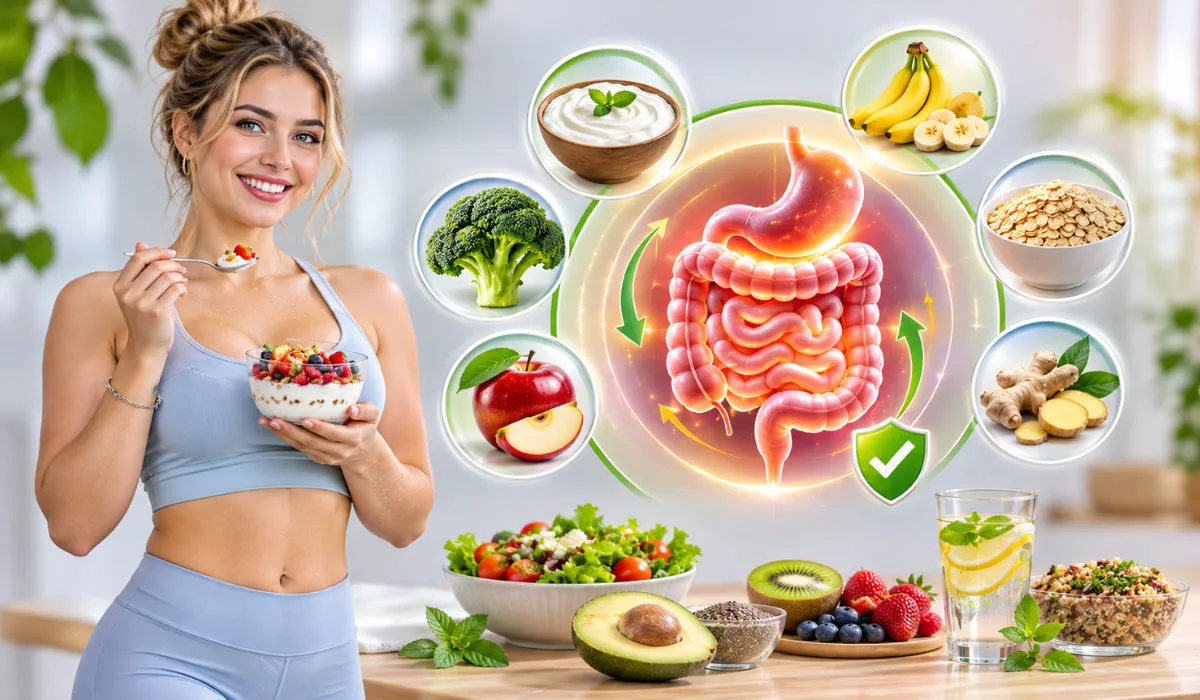
Nobody likes feeling puffy or unbuttoning their pants after a meal. Bloating usually happens when trapped gas builds up or when food moves too slowly through your small intestine. Picking foods good for digestion and bloating helps release trapped air and flushes out excess water weight.
Hydrating fruits, soothing herbs, and potassium-rich foods keep fluid levels balanced in your body. Instead of reaching for fizzy sodas that pump air into your stomach, sip warm herbal teas or eat water-rich snacks.
- Cucumber and Watermelon: Over 90% water, helping flush excess sodium that causes puffiness.
- Papaya and Pineapple: Contain natural digestive enzymes (papain and bromelain) that break down heavy proteins.
- Peppermint and Fennel Seeds (Saunf): Relax tight stomach muscles and let trapped gas escape easily.
- Ripe Bananas: High in potassium to beat water retention and gentle enough for an upset tummy.
Read Also: Top Healthy Breakfast Tip Of The Day Options for Busy
6. Follow Daily Diet Tips For Better Digestive Health Around Hydration
Water is the unsung hero of your entire digestive system. Even if you eat tons of healthy fiber, drinking too little water turns that fiber into a dry brick inside your colon. Following daily diet tips for better digestive health always starts with smart hydration habits.
Sip plain water steadily from morning until evening rather than gulping huge glasses all at once. Drinking a warm glass of water right after waking up gently wakes up your intestines. Keep a reusable water bottle on your desk as a simple visual reminder to take sips.
7. Practice Mindful Chewing and Slow Eating
Digestion does not start in your stomach—it actually starts in your mouth! Your saliva contains special enzymes that begin breaking down starches and fats the second you chew. When you rush through lunch while staring at a phone or laptop, you swallow big chunks of unchewed food and extra air.
Chewing each bite 20 to 30 times turns your meal into a smooth paste before it hits your stomach. Your stomach does not have teeth, so chewing well saves your belly hours of hard work. Put your fork or spoon down between bites to naturally slow down your pace.
8. Pick Healthy Dinner Foods For Better Gut Health
Eating a massive, greasy burger or heavy creamy curry at 10:00 PM forces your stomach to work overtime while you try to sleep. Lying flat with a full stomach causes acid reflux, heartburn, and restless nights. Choosing healthy dinner foods for better gut health lets your body focus on deep repair overnight.
Keep your evening meal light, warm, and easy to break down. Try to finish eating at least 2 to 3 hours before your head hits the pillow. This simple evening window gives your gut a restful break, known as the migrating motor complex, which sweeps clean your intestines overnight.
- Steamed Fish with Roasted Carrots: Light protein paired with soft, easy-to-digest veggies.
- Moong Dal Khichdi: A comforting, soft rice-and-lentil dish with a pinch of turmeric and cumin.
- Clear Chicken or Lentil Soup: Warm, hydrating, and gentle on a tired evening stomach.
9. Cut Back on Ultra-Processed Foods and Fake Sugars
Packaged cookies, deep-fried chips, and sugary sodas are tough on your gut microbiome. Artificial sweeteners like aspartame and sucralose can confuse your gut bacteria and trigger instant gas or cramping. Heavy trans fats also slow down digestion and leave you feeling greasy and tired.
You do not need to be 100% perfect all the time. Simply swapping one packaged snack each day for a handful of walnuts, an apple, or roasted chickpeas makes a noticeable difference within a single week.
10. Stick to a Consistent Meal Schedule
Your gut loves a predictable routine just like your sleep schedule does. Eating breakfast at 7:00 AM one day and skipping lunch until 3:00 PM the next confuses your digestive hormones. Irregular meal times lead to sudden acid buildup, loud stomach growls, and overeating later at night.
Try eating your main meals around the same time every day. Regular meal timing trains your stomach to release digestive juices right when food arrives, leading to smoother breakdown and zero heartburn.
"Consistency is the secret ingredient in gut healing. When you eat balanced meals at predictable times, your digestive enzymes and gut microbes sync up like a well-rehearsed orchestra." — Marcus Vance, Registered Dietitian Nutritionist
Best Food Tips For Improving Digestive Health Naturally
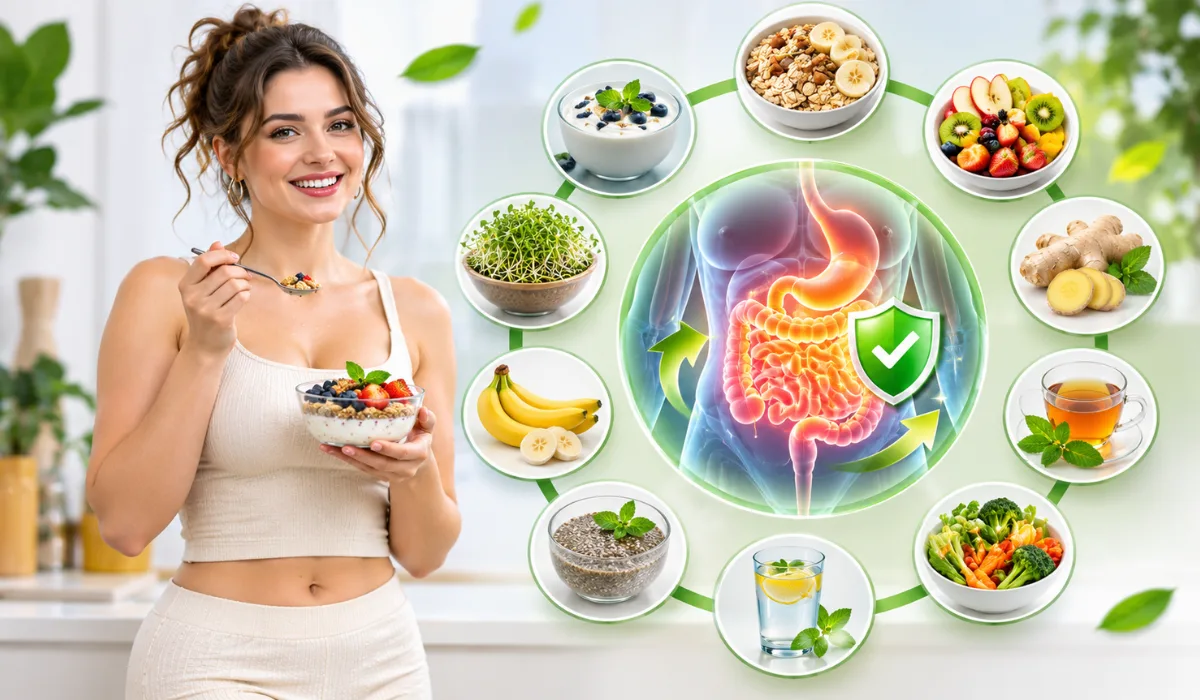
When people ask, "What are the best foods for improving digestive health?" the answer is always a colorful mix of whole foods rather than one magic superfood. Combining prebiotics (food for good bacteria) with probiotics (live good bacteria) creates a powerhouse team inside your belly.
Applying the best food tips for improving digestive health naturally means stocking your kitchen with everyday staples. Look at how easily these foods work together to keep your stomach calm and strong:
- Prebiotic Stars: Oats, bananas, garlic, onions, and apples feed your friendly microbes.
- Probiotic Heroes: Yogurt, kefir, buttermilk (chaas), and fermented pickles add fresh good bacteria.
- Soothing Spices: Cumin, ginger, fennel, and peppermint calm stomach spasms after meals.
- Healthy Fats: Avocados, walnuts, and olive oil help your gut absorb vitamins A, D, E, and K.
Sample 1-Day Diet Plan For Improving Digestive Health Naturally
Putting theory into practice is much easier when you see what a gut-friendly day actually looks like on a plate. This simple diet plan for improving digestive health naturally uses affordable, everyday ingredients available in both US and Indian kitchens.
- Morning Wake-Up (7:30 AM): One large glass of warm water with a squeeze of fresh lemon or a pinch of soaked chia seeds.
- Breakfast (8:30 AM): Warm rolled oats cooked with water or almond milk, topped with sliced ripe banana, cinnamon, and crushed walnuts. (Alternative: Vegetable poha or idli with light coconut chutney).
- Mid-Morning Snack (11:00 AM): A small bowl of fresh papaya cubes or a crisp apple with a handful of soaked almonds.
- Lunch (1:30 PM): Grilled chicken or baked tofu served with brown rice, lightly sautéed spinach, and a small bowl of plain probiotic yogurt (dahi).
- Afternoon Sip (4:30 PM): Warm ginger-mint herbal tea with a small handful of roasted pumpkin seeds.
- Dinner (7:30 PM): Light lentil soup (moong dal) with steamed zucchini, carrots, and a teaspoon of ghee or olive oil.
Read Also: Healthy Food Swaps Tip Of The Day: Easy Kitchen Upgrades
Common Food Mistakes That Hurt Your Stomach
Even people who try to eat healthy sometimes fall into sneaky traps that upset their bellies. Watch out for these common habits that slow down digestion:
- Jumping into high fiber too fast: Adding three bowls of beans overnight causes painful gas. Increase fiber slowly over two weeks while drinking extra water.
- Drinking ice-cold drinks with heavy meals: Freezing liquids can temporarily tighten stomach muscles and slow down fat digestion. Room-temperature water or warm tea works much better.
- Eating fruit right after a huge dinner: Fruit digests quickly, while heavy proteins take hours. Eating sugary fruit on top of a big steak can cause mild fermentation and bloating. Enjoy fruit as a standalone snack instead.
- Ignoring food triggers: Keep a simple 3-day food notebook on your phone. Writing down what you eat and how your tummy feels an hour later helps you spot sneaky culprits like dairy or excess caffeine.
Frequently Asked Questions
How quickly do food tips for improving digestive health start working?
Most people feel lighter and less bloated within 3 to 5 days of drinking more water, chewing slowly, and cutting back on processed junk. Deeper changes to your gut bacteria balance usually take 2 to 4 weeks of consistent healthy eating.
Which fruit is best for immediate digestion relief?
Papaya and pineapple are the best fruits for quick relief because they contain natural enzymes that break down heavy food. Ripe bananas and kiwis are also amazing for soothing an upset stomach and easing mild constipation.
Is yogurt good for everyone's digestive system?
Plain yogurt with live cultures helps most people digest food better, even those with mild lactose sensitivity, because good bacteria break down much of the milk sugar. However, if you have a true dairy allergy, choose coconut or almond yogurt fortified with probiotics instead.
What should I drink after a heavy meal to help digestion?
Sipping warm peppermint tea, ginger tea, or water boiled with fennel seeds works wonders after a big meal. These warm drinks relax tight stomach muscles, stimulate digestive juices, and clear out trapped gas fast.
Can stress ruin my digestion even if I eat healthy foods?
Yes, your brain and gut are directly connected through the vagus nerve. When you feel stressed or rushed, your body switches into "fight or flight" mode and pauses digestion. Taking three deep, slow breaths before eating helps turn your digestive system back on.
Start Small for a Stronger, Happier Gut
Taking care of your stomach does not require strict rules or boring meals. Pick just two or three Food Tips For Improving Digestive Health from this guide to try this week—like chewing your food a little slower, adding a spoonful of plain yogurt to lunch, or swapping late-night snacks for warm herbal tea. Your gut works hard for you every single day, and feeding it real, whole foods is the easiest way to feel energetic, light, and healthy from the inside out.